
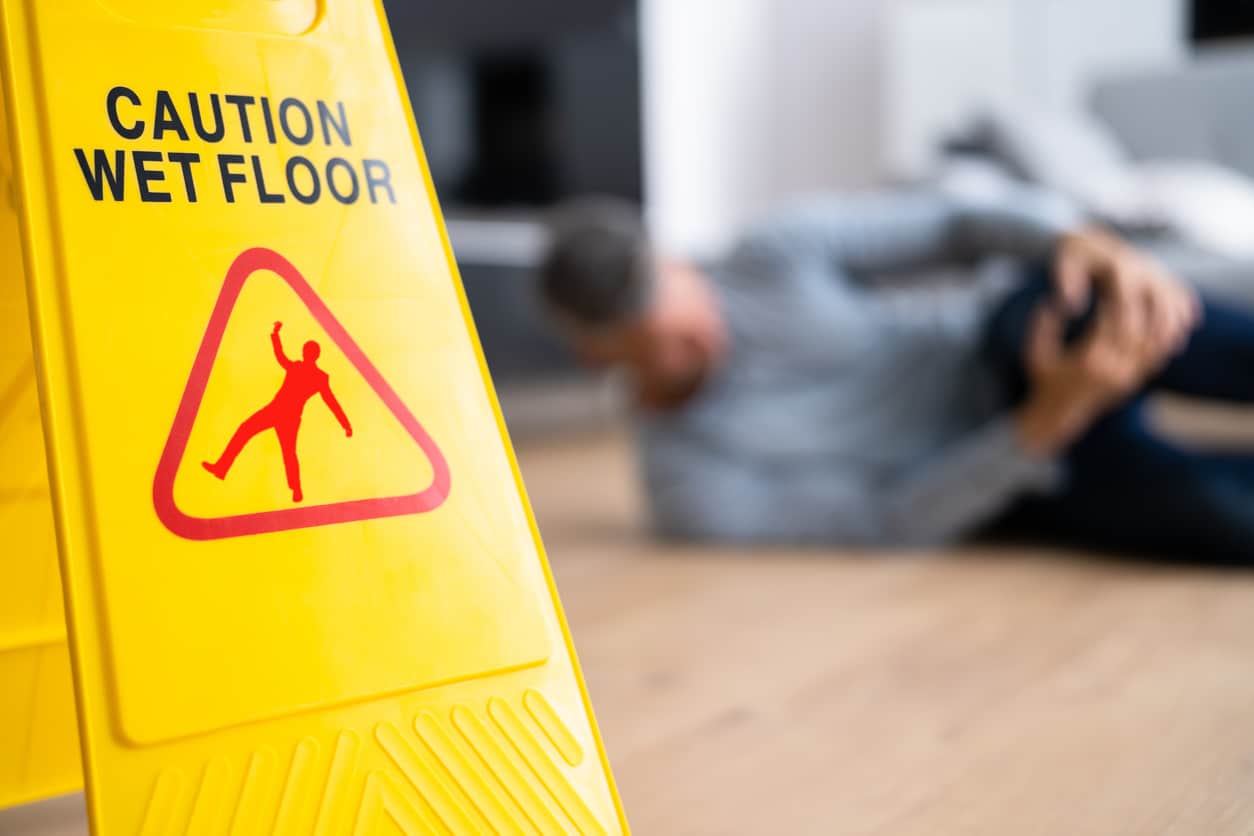
When you walk into a grocery store, a restaurant, or even a neighbor’s house, you expect to be safe. But what happens when a wet floor, a broken step, or poor security leads to a serious injury? That’s where premises liability law comes in.
For injured Texans, understanding how premises liability works can mean the difference between being left with medical bills and lost wages—or holding negligent property owners accountable. This article explains what premises liability is, how it works in Texas, and what injured victims need to know to protect themselves.
What Is Premises Liability?
Premises liability is the legal responsibility property owners and occupiers have to maintain their property in a reasonably safe condition. When they fail and someone gets hurt, they may be liable for damages.
These cases are a cornerstone of personal injury law, covering everything from a slip on a wet grocery store floor to an assault in a poorly lit apartment complex parking lot.
The Legal Duty of Care in Texas
In Texas, the duty a property owner owes depends on the status of the person on the property. Courts classify visitors into three categories:
1. Invitees
- People invited for business purposes (customers in a store, tenants in an apartment complex).
- Owed the highest duty of care: owners must inspect for hazards, fix them, and warn invitees.
2. Licensees
- Social guests or people allowed on the property for non-business purposes.
- Owners must warn them of known dangers but don’t have to inspect for unknown ones.
3. Trespassers
- People on the property without permission.
- Owners only have to avoid intentionally harming them. However, there’s an exception for children under the “attractive nuisance” doctrine (think swimming pools or trampolines).
Common Premises Liability Cases
Premises liability covers a wide range of accidents and unsafe conditions. Some of the most common include:
- Slip and Falls: Wet floors, spilled liquids, uneven surfaces, or poor lighting.
- Trip and Falls: Loose carpeting, exposed wiring, or broken steps.
- Inadequate Security: Assaults or robberies in hotels, apartment complexes, or businesses that fail to provide basic safety.
- Dog Bites and Animal Attacks: Owners can be liable if they knew or should have known their pet was dangerous.
- Swimming Pool Accidents: Lack of barriers, lifeguards, or proper maintenance.
- Defective Conditions: Broken elevators, faulty handrails, or collapsed ceilings.
The Role of Building Codes and Safety Standards
Texas law requires property owners to follow local building codes and safety regulations. Violations of these codes—such as failing to have proper lighting, not maintaining fire escapes, or ignoring ADA accessibility standards—can strengthen a premises liability case.
Comparative Negligence in Texas
Texas follows a modified comparative negligence rule. This means:
- If you are 51% or more at fault, you cannot recover damages.
- If you are less than 51% at fault, your recovery is reduced by your percentage of fault.
Example: If you slipped on a wet floor while texting and a jury finds you 20% at fault, your $100,000 verdict becomes $80,000.
Insurance companies love to argue comparative negligence. An experienced attorney knows how to fight back.
The “Open and Obvious” Defense
Property owners often argue that the hazard was “open and obvious”—meaning a reasonable person should have seen and avoided it.
Example: A large pothole in broad daylight may be considered open and obvious.
But courts also recognize exceptions:
- If the danger was unavoidable (like the only entrance being blocked by the hazard).
- If the owner could still foresee harm despite the hazard being visible.
Evidence That Strengthens a Premises Liability Case
Strong evidence is key. If you’ve been injured, here’s what helps your claim:
- Photos/Videos of the hazard
- Incident reports filed with management
- Witness statements
- Medical records linking the injury to the accident
- Repair logs showing whether the owner ignored maintenance
Real-World Examples in Texas
- Grocery Store Slip & Fall: A customer slipped on a spilled drink that had been on the floor for over 30 minutes. Video evidence showed employees walking past without cleaning it. The store was held liable.
- Apartment Complex Security Failure: Tenants were attacked in a poorly lit parking lot. The complex had a history of crime but failed to hire security or repair lights. The victims recovered damages.
- Hotel Balcony Collapse: Guests were injured when a poorly maintained balcony collapsed. Building code violations made liability clear.
Common Defenses by Property Owners
- The victim wasn’t paying attention.
- The danger was “open and obvious.”
- The hazard appeared too recently for the owner to know about it.
- The victim was trespassing or had no right to be there.
A skilled lawyer knows how to challenge these defenses and keep the focus on the owner’s negligence.
Frequently Asked Questions
Yes, as long as you were less than 51% at fault under Texas law.
Generally, two years from the date of the injury.
Yes, if the landlord failed to fix hazards or provide reasonable security.
Medical expenses, lost wages, pain and suffering, and sometimes punitive damages if the owner’s conduct was reckless.
Why You Need an Attorney
Premises liability cases are some of the hardest to win without legal help. Property owners and insurance companies fight aggressively, and Texas law can be complex.
An attorney like Eric Kirkpatrick can:
- Investigate the property’s history of hazards
- Obtain surveillance footage and maintenance records
- Retain expert witnesses (engineers, safety experts)
- Negotiate with insurance companies
- Take the case to trial if necessary
Conclusion: Holding Property Owners Accountable
When property owners cut corners on safety, it’s everyday Texans who pay the price. Premises liability law exists to make sure businesses, landlords, and property managers don’t put profits ahead of people.
If you’ve been injured on someone else’s property, don’t let the insurance company dismiss your claim as “just an accident.” It may have been preventable negligence.
Call Eric Kirkpatrick today for a free consultation and take the first step toward justice.