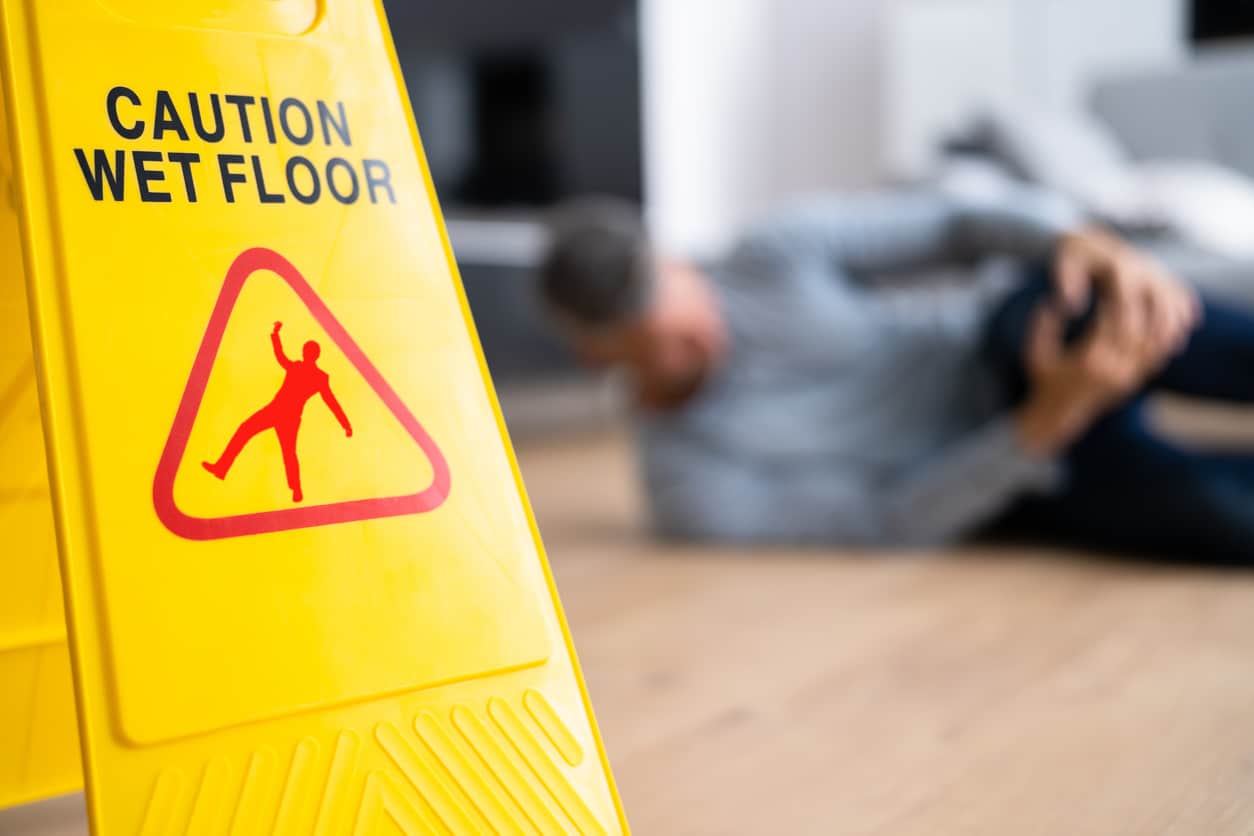
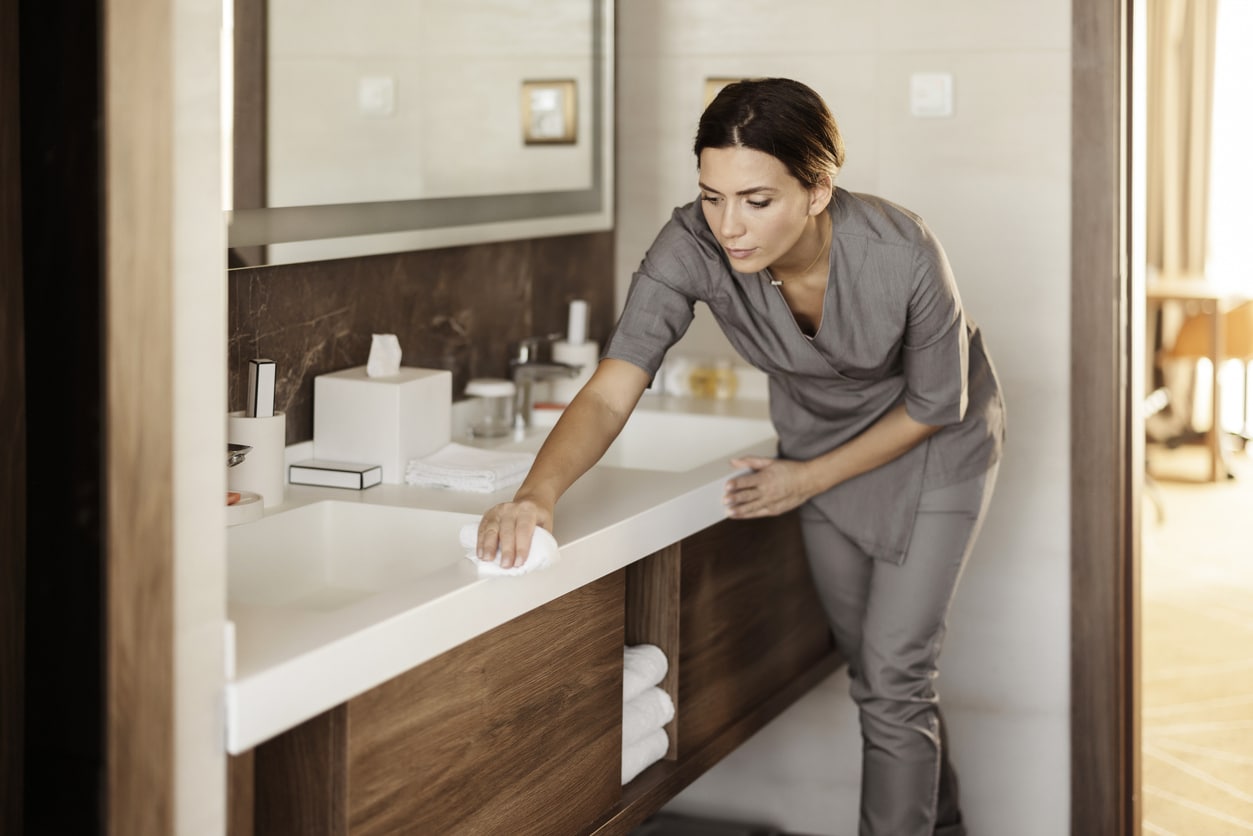
When we check into a hotel, we expect comfort, convenience, and safety. Whether it’s a quick business trip or a family vacation, the last thing anyone expects is to end up in the emergency room. Yet one of the most common hotel accidents happens in a place we all use daily: the bathroom.
Slip and falls in hotel bathrooms are more than embarrassing—they can lead to broken bones, head injuries, or lifelong mobility problems. If you’ve been hurt in a hotel bathroom, you may be entitled to compensation. Here’s what you need to know about hotel liability, your rights as a guest, and how to protect your claim.
Why Bathrooms Are High-Risk Areas
Bathrooms are notoriously hazardous because they combine slippery surfaces, moisture, and confined spaces. Hotels, with their heavy guest turnover, are especially prone to issues. Common hazards include:
- Wet or freshly mopped tile floors
- Poor drainage around tubs and showers
- Missing or loose bath mats
- No grab bars near tubs or toilets
- Worn or broken tiles
- Inadequate lighting
- Leaks that create puddles
When hotels fail to address these risks, they put guests in danger.
The Legal Duty of Hotels in Texas
Hotels owe their guests the highest duty of care under premises liability law because guests are considered invitees. That means:
- Hotels must inspect rooms and bathrooms regularly.
- They must repair dangerous conditions promptly.
- They must warn guests about hazards they can’t fix immediately.
If a hotel fails to take these steps and a guest gets hurt, the hotel may be liable for the injuries.
Common Injuries in Hotel Bathroom Slip and Falls
Hotel bathroom falls are not minor accidents. They often result in serious, sometimes permanent injuries:
- Broken hips or bones – common in older adults.
- Traumatic brain injuries (TBI) – from striking the head on tile, tubs, or sinks.
- Spinal cord injuries – from awkward falls in confined spaces.
- Shoulder and knee injuries – from twisting or impact.
- Cuts and lacerations – from broken tile or fixtures.
These injuries can require surgery, rehabilitation, and long-term care.
Proving Hotel Liability
To hold a hotel accountable, an injured guest must prove:
- The hotel owed you a duty of care.
- The hotel breached that duty by failing to inspect, repair, or warn about a hazard.
- The breach caused your injury.
- You suffered damages (medical bills, lost income, pain and suffering).
Evidence That Strengthens a Claim
- Photos or videos of the bathroom hazard (wet floor, broken tile, missing mat).
- Hotel records of inspections, maintenance, or prior guest complaints.
- Medical documentation linking the injury to the fall.
- Witness statements (family members, cleaning staff, or other guests).
- Incident report filed with hotel management immediately after the fall.
The sooner you gather this evidence, the stronger your case becomes.
Case Examples
- Houston Hotel Fall: A business traveler slipped on water pooling outside a shower with no drainage. The hotel had received prior complaints but ignored them. The guest required hip surgery.
- Dallas Resort Injury: A woman slipped on a broken tile near the toilet, hitting her head. Maintenance records showed the hotel had postponed repairs to avoid room closures.
- San Antonio Convention Hotel: An elderly man fell in a bathroom with no grab bars. The lack of safety features violated industry standards, leading to a settlement.
Defenses Hotels Often Use
Hotels and their insurers rarely admit fault. Common defenses include:
- “The guest caused the accident.” (Claiming you weren’t careful enough.)
- “The danger was open and obvious.” (Saying you should have seen the water.)
- “We didn’t know about the hazard.” (Arguing they had no time to fix the problem.)
- “The injury happened outside the bathroom.” (Denying responsibility altogether.)
An experienced lawyer knows how to challenge these defenses with evidence and expert testimony.
The Challenge of Out-of-State Accidents
Many hotel bathroom falls happen while traveling. If you live outside Texas but are injured at a Texas hotel, you may face challenges such as:
- Filing a claim in another state.
- Coordinating medical care after returning home.
- Dealing with a hotel chain’s corporate lawyers.
This makes hiring a local Texas attorney especially valuable—someone who knows state law and can handle your case while you recover.
Frequently Asked Questions
Yes. Hotels still have a duty to keep bathrooms safe, regardless of footwear.
Yes. File an incident report with the hotel before leaving the property.
Texas comparative negligence law allows recovery as long as you are less than 51% at fault.
Medical bills, lost wages, future care costs, pain and suffering, and in some cases, punitive damages.
Why You Need an Attorney for a Hotel Slip and Fall
Hotels and their insurers are aggressive in defending these cases. They fear setting a precedent that forces them to upgrade thousands of bathrooms nationwide.
An attorney like Eric Kirkpatrick can:
- Demand hotel maintenance and inspection records.
- Depose staff about safety policies.
- Retain safety experts to testify about industry standards.
- Negotiate with powerful insurance companies.
- Take your case to trial if necessary.
Conclusion: Hotels Must Put Guest Safety First
A hotel bathroom should be a place of routine comfort, not catastrophe. When hotels ignore maintenance, cut corners, or fail to provide basic safety features, guests pay the price in broken bones, lost wages, and life-changing injuries.
If you or a loved one has suffered a bathroom slip and fall in a hotel, you don’t have to fight the system alone. Contact Eric Kirkpatrick today for a free consultation. Protect your rights, and hold negligent hotels accountable.