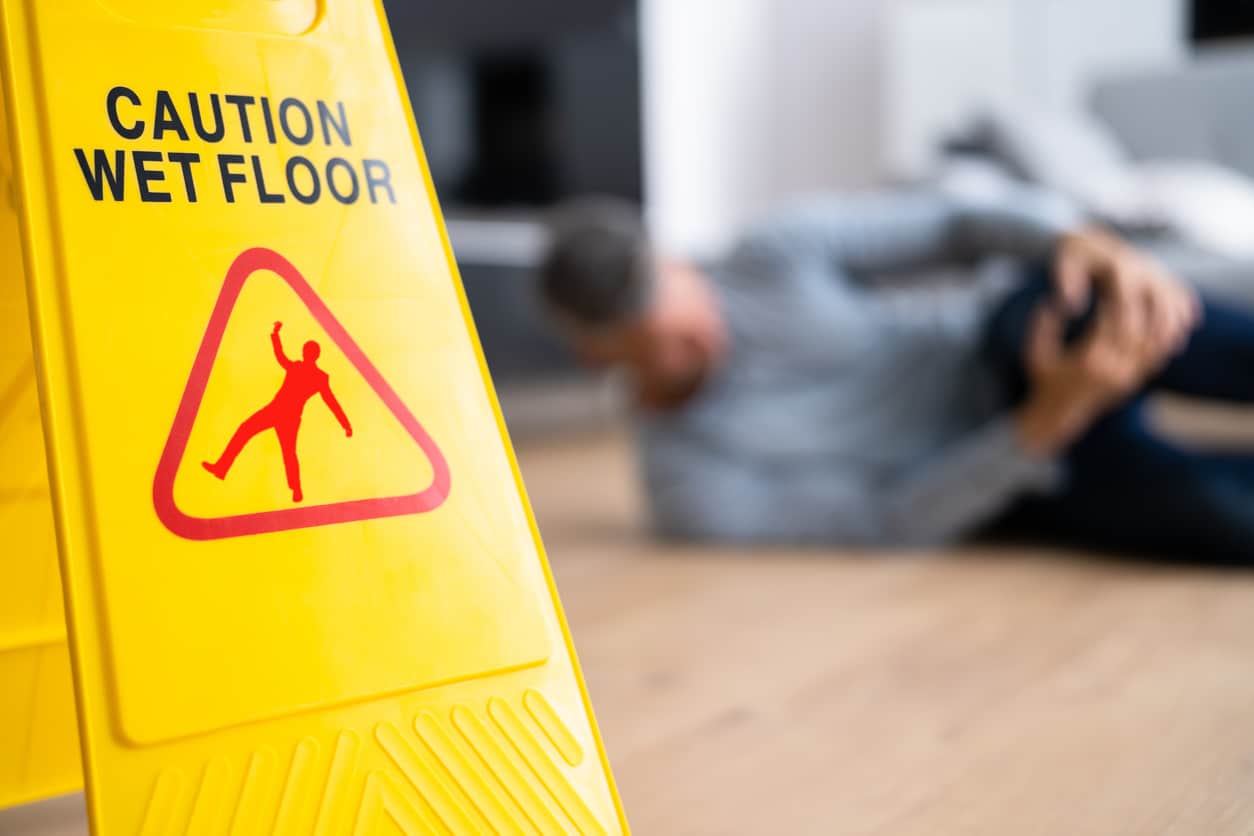

For many Texans, living in an apartment complex is a matter of convenience and affordability. But convenience should never come at the cost of safety. Unfortunately, thousands of apartment residents suffer injuries each year because landlords, property managers, or owners cut corners on maintenance, ignore safety hazards, or fail to provide adequate security.
When that happens, the law is clear: tenants and guests have rights. This article explores apartment complex injuries, the responsibilities landlords have under Texas law, and how injured tenants can hold negligent property owners accountable.
Why Apartment Complex Injuries Happen
Apartment complexes are more than just buildings—they’re communities where hundreds of people live, work, and raise families. But with so many moving parts, maintenance and safety issues can quickly arise.
Some of the most common causes of injuries in apartment complexes include:
- Poor Maintenance – Broken stairs, loose handrails, malfunctioning elevators, uneven sidewalks.
- Slip and Fall Hazards – Leaks, uncleaned spills in common areas, icy walkways.
- Inadequate Security – Poor lighting, broken gates, lack of security cameras, no guards despite a history of crime.
- Fire Hazards – Faulty wiring, missing smoke detectors, blocked fire exits.
- Negligent Landscaping or Groundskeeping – Overgrown bushes that hide criminals, falling tree limbs, potholes in parking lots.
- Swimming Pool Accidents – Broken gates, no fencing, lack of lifeguards, or inadequate warning signs.
The Landlord’s Legal Duty in Texas
Under Texas law, landlords and property managers owe tenants a duty to:
- Maintain Safe Conditions – Keep common areas like hallways, stairwells, gyms, and pools free from hazards.
- Repair Known Defects – Once notified of a problem, landlords must make timely repairs.
- Provide Reasonable Security – Especially when crime is foreseeable due to location or prior incidents.
- Follow Building Codes – Compliance with fire safety, electrical codes, and city ordinances is mandatory.
- Uphold the Warranty of Habitability – Texas recognizes an implied guarantee that rental units are safe and livable.
Negligent Security in Apartment Complexes
One of the most serious issues in apartment liability cases is negligent security. When landlords fail to protect tenants against foreseeable crime, they may be held responsible for resulting injuries.
Examples include:
- A tenant is assaulted in a parking lot with broken lights.
- A resident is robbed because the entry gate has been broken for months.
- A shooting occurs in a complex with a long history of violent crime and no security presence.
Texas courts have held that when landlords know about recurring crime but fail to act, they can be liable for the harm tenants suffer.
Common Injuries in Apartment Complex Cases
Apartment-related accidents can lead to serious and life-altering injuries, such as:
- Broken bones from slips and falls
- Back and spinal injuries from unsafe stairs
- Burns or smoke inhalation from fires
- Gunshot or stabbing wounds from negligent security cases
- Drownings or brain injuries from unsafe pools
- Head trauma from falling debris
Proving Liability in Apartment Injury Cases
To succeed in a claim against a landlord or property manager, an injured tenant must prove:
Damages – You suffered measurable harm (medical bills, lost income, pain and suffering).
Duty of Care – The landlord owed you a duty to maintain safe premises.
Breach of Duty – They failed to repair hazards or provide reasonable safety.
Causation – The unsafe condition directly caused your injury.
Evidence That Strengthens a Tenant’s Case
- Photos/Videos of unsafe conditions (broken locks, dark stairwells, damaged flooring).
- Repair Requests or Complaints made to management (emails, texts, letters).
- Police Reports showing a pattern of crime.
- Witness Statements from other tenants.
- Medical Records linking your injuries to the unsafe condition.
The more documentation you have, the harder it is for the landlord to deny responsibility.
Real Texas Examples
- Houston Apartment Fire: Tenants were trapped when smoke detectors failed to go off. Investigators found the landlord hadn’t replaced batteries in years.
- Dallas Security Failure: A resident was assaulted in a complex with repeated break-ins. The landlord ignored tenant complaints and failed to repair broken locks.
- San Antonio Slip and Fall: A woman broke her hip on a poorly maintained staircase with no handrail. Records showed prior complaints about the same staircase.
In each case, landlords who ignored safety paid the price in court.
Defenses Landlords Often Use
- “The tenant caused the accident.”
- “We didn’t know about the hazard.”
- “The danger was open and obvious.”
- “We had no duty to provide security.”
- “The lease waived liability.”
These defenses don’t always hold up. For example, lease waivers of liability are often unenforceable if the landlord was grossly negligent or violated safety codes.
Frequently Asked Questions
Yes, if the injury resulted from a condition the landlord had a duty to fix (like faulty wiring or a broken smoke detector).
This strengthens your case. Notice to the landlord is critical evidence.
Texas courts often strike down broad liability waivers in residential leases.
Medical expenses, lost wages, pain and suffering, and in some cases punitive damages.
In Texas, generally two years from the date of the injury.
Why Tenants Need an Attorney
Landlords and property management companies often have deep pockets and strong insurance policies. But they also have defense lawyers working to deny your claim.
An attorney like Eric Kirkpatrick can:
- Investigate prior complaints and crime history at the complex.
- Subpoena maintenance and repair records.
- Prove the landlord had notice of the danger.
- Challenge lease provisions that attempt to waive liability.
- Take your case to trial if necessary.
Conclusion: Apartment Living Shouldn’t Mean Unsafe Living
Tenants in Texas deserve safe, well-maintained, and secure homes. When landlords ignore their duties, the consequences can be devastating.
If you or a loved one has been injured in an apartment complex, don’t assume it’s just “part of apartment living.” Negligence is preventable, and the law is on your side.
Contact Eric Kirkpatrick today for a free consultation. Stand up for your rights and hold negligent landlords accountable.